
What a Good Window Installation Actually Looks Like
The difference between properly installed impact windows and the alternative
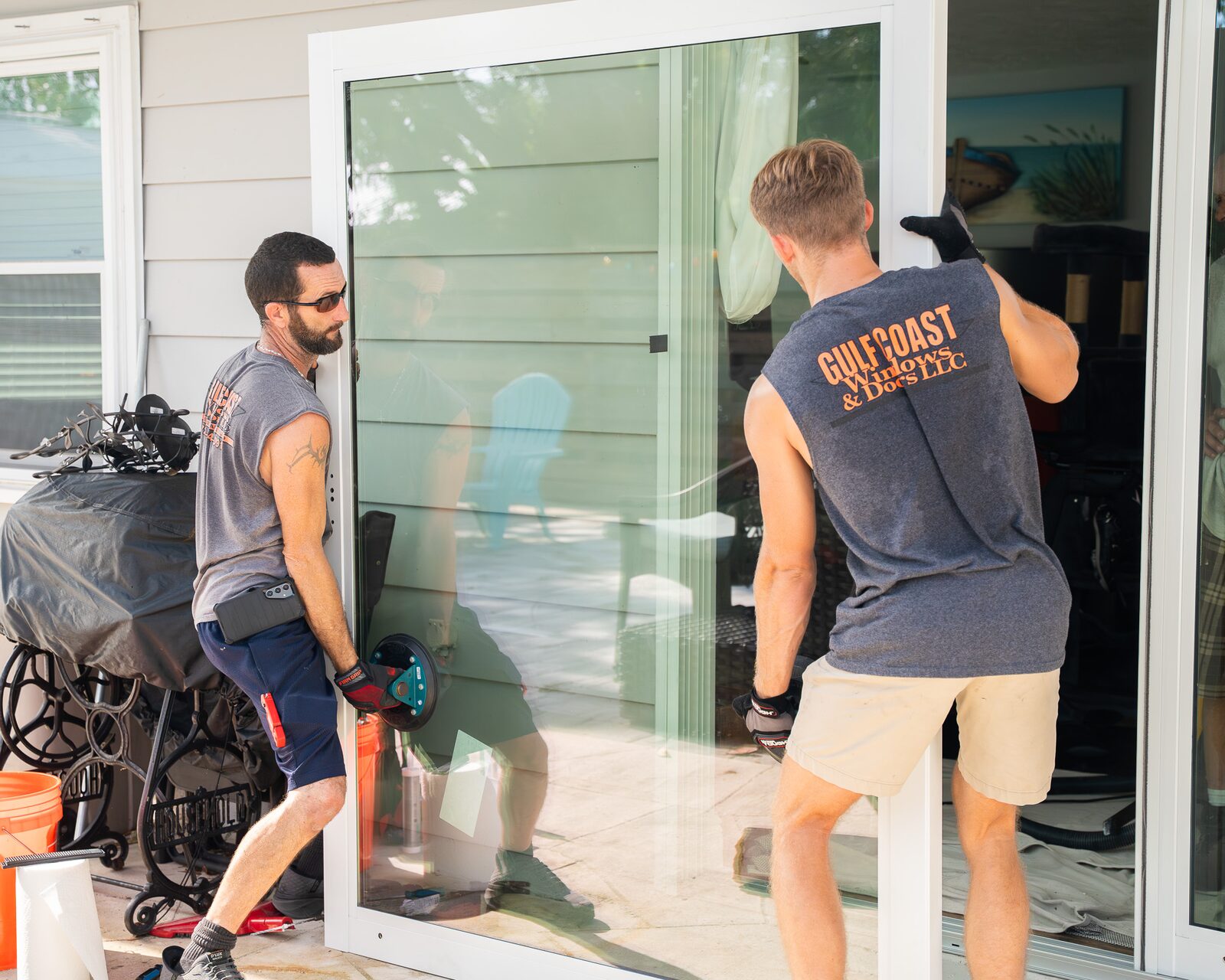
In the window industry, a lot of attention goes to the glass — impact ratings, Low-E specs, U-factors. Less attention goes to the installation itself. But no matter how good the product is, a poor installation undermines it. Here's what a proper impact window installation looks like at every stage.
Rough Opening Preparation
Before any new window goes in, the rough opening must be inspected and prepared. This means:
- Checking the framing for square, plumb, and level — even small variations create sealing problems
- Inspecting for rot, moisture damage, or insect damage in the rough opening framing and sill — these must be remediated before installation
- Installing a proper sill pan flashing or bed of sealant as the window's first line of water defense
Skipping these steps is where "fast" installations cut corners. A window installed in a rotted sill is a liability from day one.
Setting and Anchoring
Impact windows must be anchored to the wall structure per the product's Florida Product Approval documentation. This specifies fastener type, size, spacing, and minimum embedment depth. The anchoring is what transfers the tremendous wind pressure on the glass assembly into the wall structure. Under-anchored windows can pull out of the wall even if the glass survives.
Shimming and Sealing
After anchoring, the window is shimmed to ensure it's truly level and plumb. The gap between the window frame and the rough opening is then filled — typically with low-expansion foam on the interior side and flashing tape or caulk on the exterior. The exterior detail is critical: it must be lapped like roofing, with the top piece over the sides and the sides over the bottom, so water runs away from the opening rather than into it.
What the Finished Installation Should Show
- Continuous, smooth caulk bead at the exterior frame-to-wall joint with no gaps
- Level sill — a marble placed on the sill should not roll to either side
- Smooth window operation with no binding or resistance
- Locks that engage fully and firmly
- Interior trim fitted cleanly with no visible gaps at wall joint
- No exposed foam on the exterior (foam degrades rapidly under UV)
Ready to Upgrade?
Get a Free, No-Obligation Quote
No sales reps. Just Rob and Robert — the people who will actually install your windows.
Contact Us