
Late April Home Check: Are Your Windows & Doors Ready for Florida’s Heat and Storm Season?
A practical Florida homeowner checklist for inspecting windows and doors before summer heat, heavy rain, and hurricane season arrive.
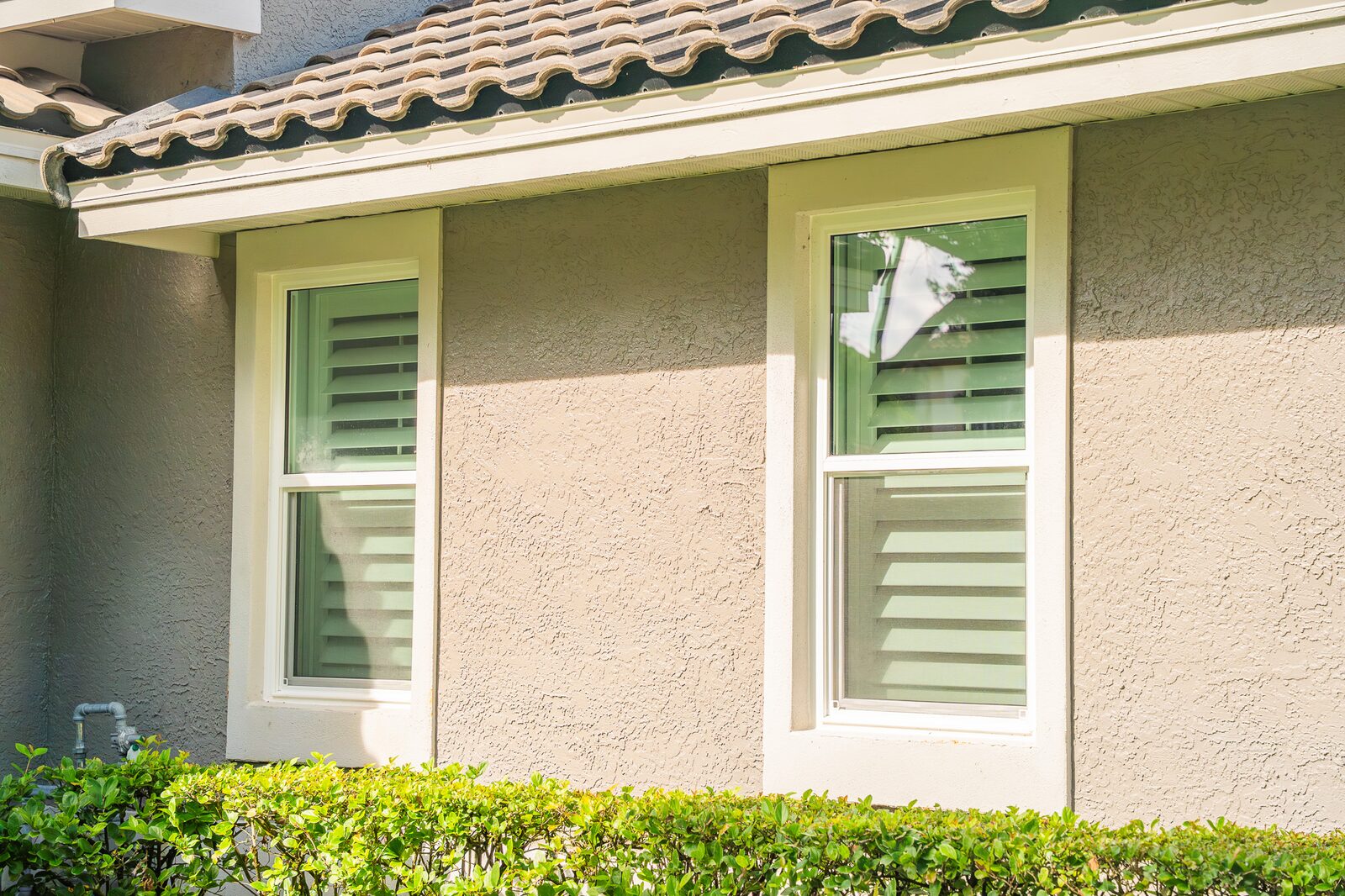
In Florida, late April is the sweet spot for getting your home ready before the real summer heat settles in and hurricane season starts creeping closer. If your windows and doors are already showing signs of wear, the combination of high temperatures, humidity, wind-driven rain, and storm threats can make those problems worse fast.
For homeowners in Pinellas, Hillsborough, Manatee, Pasco, and Sarasota counties, a quick seasonal inspection can help you catch small issues before they turn into expensive repairs. Whether you already have impact windows and doors or you are still considering an upgrade, this late April home check is a smart way to prepare your home for Florida’s toughest months.
Why late April is the right time to inspect windows and doors
By late April, Florida homeowners usually start noticing warmer afternoons, stronger sun exposure, and the first reminders that storm season is around the corner. Waiting until June or July to look at your windows and doors can leave you scrambling if you discover leaks, damaged seals, or hardware that is no longer working properly.
Checking everything now gives you time to schedule repairs or replacement before the busiest part of the season. It can also improve comfort inside your home, since aging or poorly sealed windows and doors often let in heat and force your air conditioner to work harder.
Your late April window and door checklist
Walk through your home inside and out and look for these common warning signs:
- Cracked or deteriorating caulk: Exterior sealant around frames should look intact and tight. If it is dry, cracked, or pulling away, moisture and air may be getting in.
- Soft spots or water staining: Look around window sills, trim, and door frames for discoloration, bubbling paint, or signs of moisture intrusion.
- Drafts or hot spots: If a room feels noticeably warmer near certain windows or doors, poor seals or older glass may be part of the problem.
- Difficulty opening or closing: Windows and doors should operate smoothly. Sticking, dragging, or misalignment can signal wear, settling, or frame issues.
- Fogging between glass panes: On insulated glass units, cloudiness between panes can indicate seal failure.
- Loose locks or worn hardware: Check that locks engage securely and handles, rollers, and hinges feel solid.
- Visible frame damage: Look for corrosion, rot, cracks, or warping, especially on older units exposed to years of Florida sun and rain.
- Screen or threshold damage: Torn screens and worn thresholds may seem minor, but they can affect comfort, water resistance, and everyday function.
How Florida heat affects older windows and doors
Florida’s climate is tough on building materials. Constant UV exposure, high humidity, salty coastal air in many areas, and repeated wet-dry cycles can wear down seals, finishes, and hardware over time. Even if your windows and doors made it through last hurricane season, they may still be losing performance in ways that are easy to miss.
Older windows, especially single-pane or non-impact units, often transfer more heat into the home. That can mean hotter rooms, increased glare, and higher cooling costs. Worn door weatherstripping and aging sliding glass doors can also allow conditioned air to escape while letting heat and moisture in.
If your home never feels quite as comfortable as it should in the afternoon, your windows and doors may be a major reason why.
Storm season concerns to address before summer
Preparing for hurricane season is about more than stocking water and batteries. Your home’s exterior openings are one of the most important parts of your storm protection plan. Windows and doors that are already compromised can become even more vulnerable during heavy wind and rain.
Before storm season ramps up, make sure you check for:
- Gaps around frames: These can allow water intrusion during wind-driven rain.
- Loose or damaged hardware: Doors that do not latch properly may not perform the way they should under pressure.
- Weak or outdated glass: Non-impact windows and doors offer less protection against flying debris.
- Poor drainage around thresholds and tracks: Debris buildup can trap water and increase the risk of leaks.
If you still rely on shutters or temporary panels, late April is also a good time to make sure everything is accessible and in working order. Do not wait until a storm is forming in the Gulf to find out that fasteners are missing or panels no longer fit correctly.
When it may be time to replace instead of repair
Not every issue means you need brand-new windows or doors. Sometimes fresh sealant, hardware adjustment, or minor maintenance is enough. But in many Florida homes, especially older ones, repeated repairs can become a sign that replacement is the smarter long-term move.
You may want to consider upgrading if:
- Your windows or doors are older and no longer energy efficient
- You see recurring leaks or moisture damage
- Operation is poor even after adjustments
- You want better storm protection and peace of mind
- Your current units are not impact-rated
Impact windows and doors can help protect your home from flying debris while also improving energy efficiency, outside noise reduction, and everyday security. For many Florida homeowners, that makes them a practical upgrade, not just a hurricane-season purchase.
What to look for in a Florida impact window and door installer
If your late April inspection reveals bigger concerns, choose an installer who understands local conditions and local code requirements. Proper installation matters just as much as the product itself.
At Gulf Coast Windows & Doors, we install trusted brands like PGT WinGuard, Simonton Windows & Doors, and Custom Window Systems. We are a father-son company based in Palm Harbor, and Rob and Robert personally handle every installation. That means no sales reps, no subcontractors, and no handoff after the estimate. Florida homeowners work directly with the people doing the job.
That hands-on approach matters when you are investing in protection for your home. Every opening has to be measured carefully, installed correctly, and sealed for Florida weather.
Schedule your home check before the rush
Once storm season gets closer, installation schedules fill up quickly. Late April and early May are ideal for evaluating your home, planning upgrades, and avoiding the last-minute scramble that happens every year when the first named storm shows up.
If you are in Pinellas, Hillsborough, Manatee, Pasco, or Sarasota County and you are wondering whether your windows and doors are ready for Florida’s heat and storm season, now is the time to take a closer look. A simple inspection today can lead to better comfort, lower stress, and stronger protection when summer weather arrives.
Need help deciding whether repair or replacement makes more sense? Gulf Coast Windows & Doors is here to help homeowners make informed decisions with honest recommendations and professional installation. Call (727) 244-2192 to schedule a consultation.
Ready to Upgrade?
Get a Free, No-Obligation Quote
No sales reps. Just Rob and Robert — the people who will actually install your windows.
Contact Us